Abrasive Blasting Media to Fit What Your Job Actually Needs
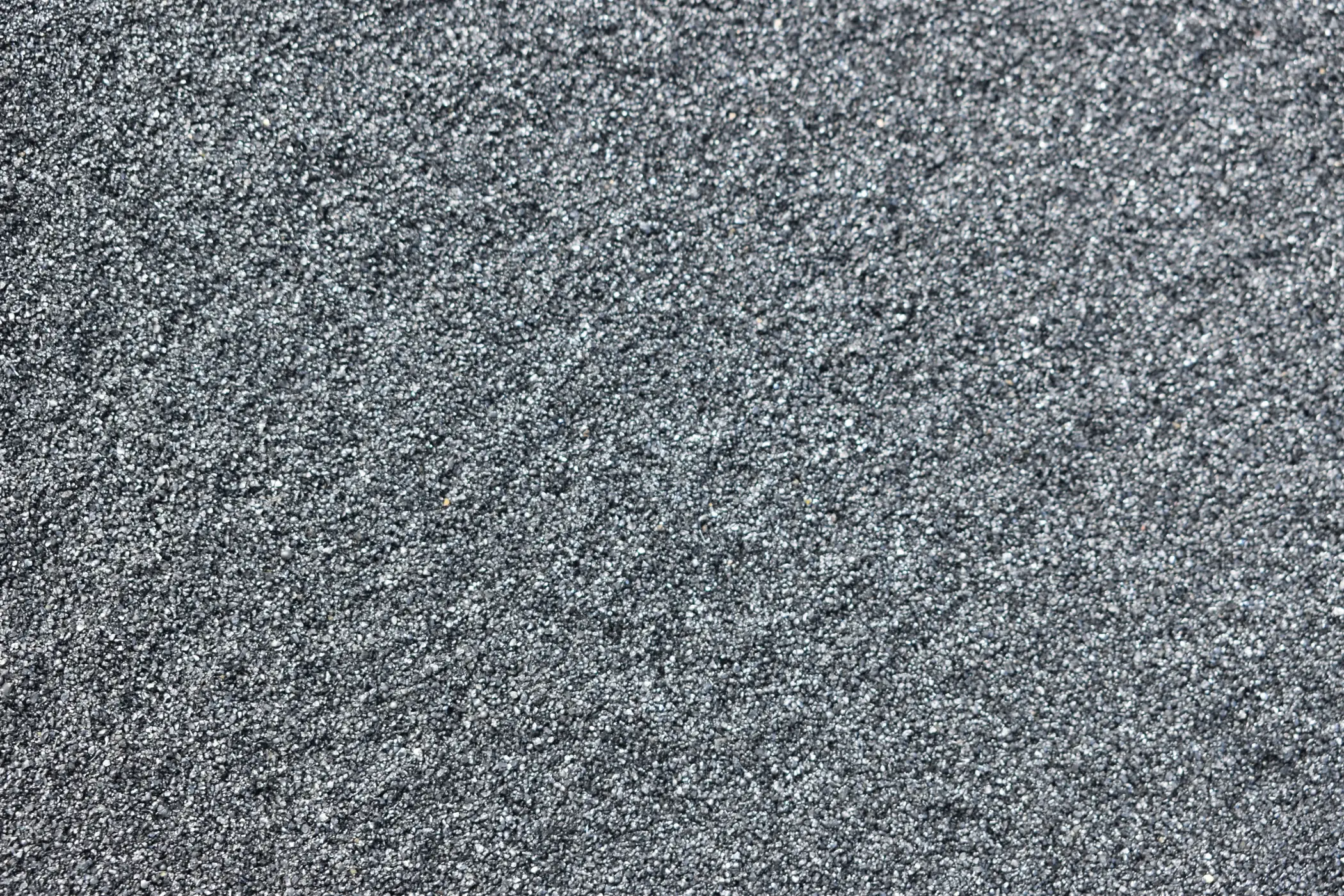
Abrasive blasting is the foundation of every durable coating system. Custom Abrasives provides contractors, asset owners, industrial facilities, and wholesale customers with blasting media that meets their surface preparation requirements and project needs, based on measurable performance.

What Determines the Right Abrasive?
The right media starts with the substrate. Carbon and structural steel need a hard, angular abrasive that reaches the specified cleanliness and cuts a consistent profile.Stainless steel and aluminum typically need low-iron media to avoid embedded particles, staining, and over-profiling.
From there, five properties decide how efficiently you hit the target: hardness, particle shape, size, density, and friability. The target might be a 2 to 3 mil profile for a zinc-epoxy-urethane system or a lighter profile for a high-build epoxy.
Matched to Your Equipment and Jobsite
Abrasives differ in density and flow, so changing media often means adjusting nozzle size, air volume, and metering valve settings. We also look at:
- Dust generation
- Free crystalline silica content
- Containment requirements
- How spent abrasive will be handled, especially on older coatings that may contain lead or chromium
Cost Per Square Foot, Not Price Per Ton
The cheapest abrasive by the ton isn’t always the cheapest to use. Total project cost can come down with media that:
- Cleans faster
- Uses less abrasive per square foot
- Cuts labor hours
- Produces less dust and waste
Carbon and structural steel need a hard, angular abrasive that reaches the specified cleanliness and cuts a consistent anchor profile. Stainless steel typically needs a low-iron mineral, slag or aluminum oxide abrasive, or stainless steel media, to avoid embedded particles that rust and stain. Aluminum is easy to over-profile or contaminate, so low-iron, non-metallic media at controlled pressure is the common approach.
SSPC-SP 5 (White Metal) allows no visible mill scale, rust, coating or staining. SSPC-SP 10 (Near-White) allows random staining on no more than 5% of each unit area. SSPC-SP 6 (Commercial) allows random staining on no more than 33%. SSPC-SP 14 (Industrial) allows tightly adherent mill scale, rust and coating on no more than 10%. Your project specification states the level you need.
The coating manufacturer's technical data sheet (TDS) and your project specification set the profile. As typical ranges, a zinc-rich primer, epoxy and polyurethane system is about 2 to 3 mils, a high-build epoxy about 1.5 to 3 mils, and fusion-bonded epoxy about 1.5 to 4 mils. Too little profile can reduce adhesion; too much can leave peaks the coating does not fully cover.
Profile on the finished surface is typically verified with ASTM D4417 methods, and SSPC-PA 17 sets how many readings to take and how to judge conformance.
Hardness, particle shape, size, density and friability, together with air pressure, nozzle size, abrasive flow rate and particle velocity. Overloading the air stream reduces particle velocity, lowers cutting power and increases consumption.